Adipose Tissue Retains An Epigenetic Memory Of Obesity After Weight Management
The Function For Fat In Weight Gain Back After Fat Burning

" You Can Turn Fat Into Muscular Tissue"
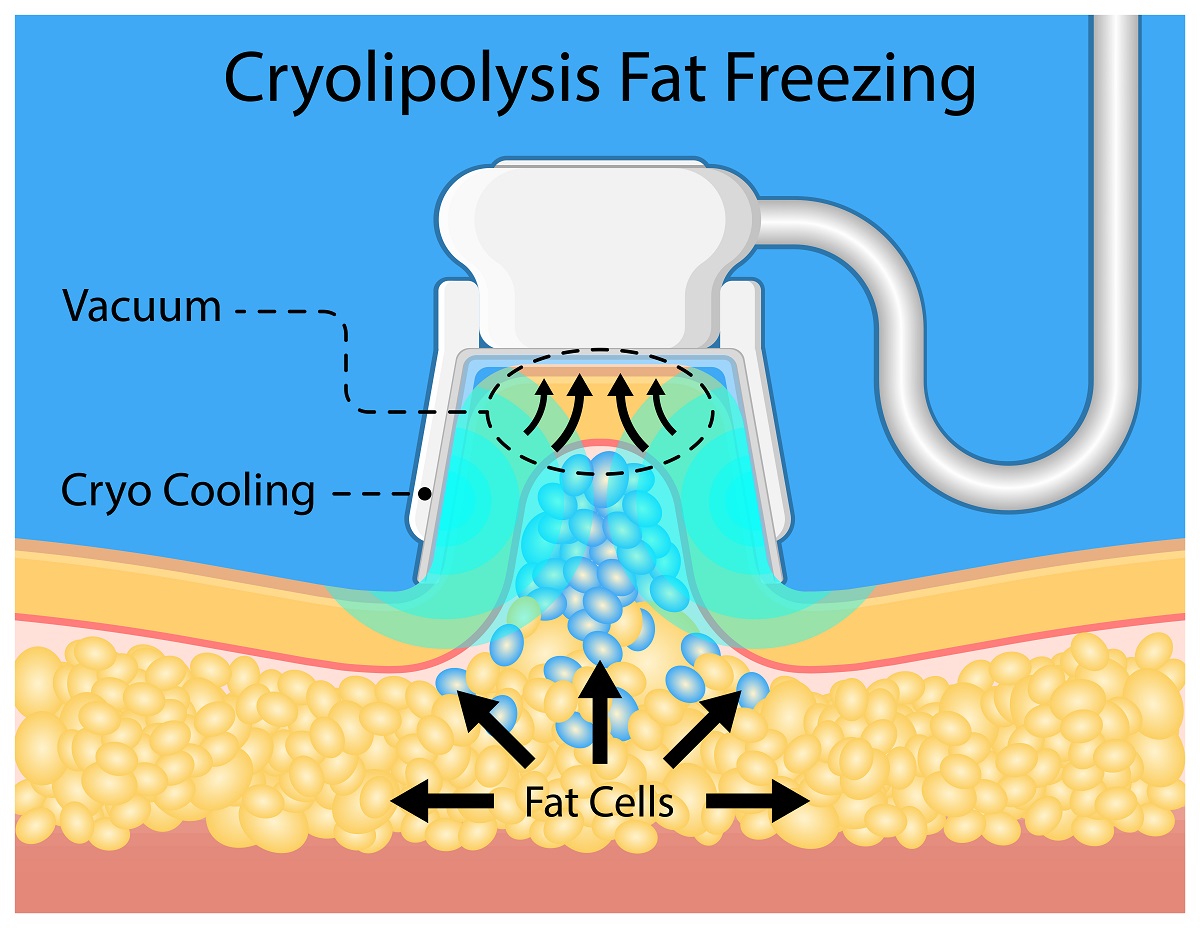
- Fats stand for a crucial node in the homeostatic system that manages body weight.
- Leptin and insulin are frequently described as 'adiposity signals' since their degrees usually mirror fat mass.
- When fat sits just under your skin, medical professionals call it subcutaneous fat.
- Glucose resistance was impaired in H but not in HH mice (compared with age-matched controls), whereas insulin level of sensitivity was reduced in HH yet not in H computer mice (Extended Data Fig. 5a, b).
When your breathing price goes up, it additionally helps more co2 (among both byproducts of fat metabolic process) to leave your body. One way we restrict the energy we absorb is by adjusting our consuming behaviors. When you take in fewer calories than you "burn" in a day, your body turns to its fat books-- in the form of triglycerides-- for energy. The health and fitness world has plenty of sound, and a lot of it makes weight loss harder than it requires to be. Below are several of one of the most common misconceptions that puzzle individuals and hold them back.
Advantages Of Non-surgical Fat Decrease
Trafficking of soaked up nutrients (glucose, Glu; totally free fatty acids, FFA; triglycerides, TGs) to and from circulation is shown for both postprandial and post-absorptive metabolic states (blue arrows). Improved vitamins and mineral clearance decreases postprandial trips in Glu and TGs and potentiates the postprandial reductions of FFAs, which may likewise communicate a signal of nutrient deprival to the brain. The reduced metabolic mass, improved metabolic performance and lower Chin contouring thermal result of food add to the reductions of power expense (populated black lines). A big power void is produced in between appetite and expense, and food consumption need to be cognitively (in humans) or vigorously (in pets) restricted to keep the lowered weight.
Exactly How The Body Processes Damaged Fat Cells
Jointly, these neuroendocrine changes can act on fats to influence the size and number of resident adipocytes (Fig. 2). Other studies show that both preadipocytes and adipocytes are responsive to Thyroid Promoting Hormonal Agent (TSH) and thyroid hormonal agents in a similar fashion (76-- 80). Both the SNS and thyroid hormones have repressive results on preadipocyte expansion and stimulatory results on preadipocyte distinction. Thus, a decrease in SNS tone and thyroid axis activity during weight maintenance may supply permissive conditions for preadipocyte spreading, while the reversal of these neuroendocrine inputs during weight regain could underlie the hyperplasia. While these neuroendocrine inputs provide a plausible explanation for both metabolic and cellularity adaptations with weight loss and regain, their actual contribution to the adaptive reaction in fats needs refresher course.
Afterwards, the count maintains and hardly ever decreases normally. Even when you lose weight, those fat cells do not disappear; they just deflate. Body forming focuses on localized contour change, while fat burning describes more comprehensive adjustments in body mass.